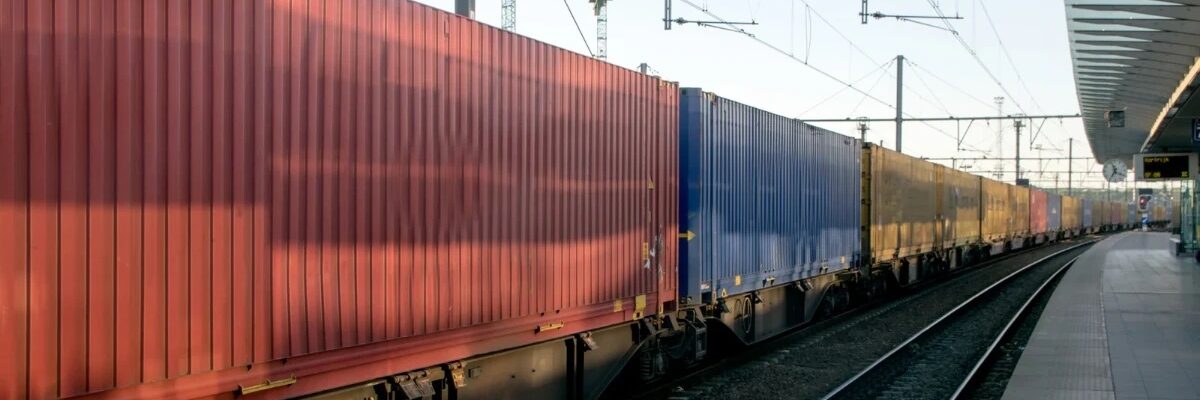
The marine terminal may be operating normally. Your shipment can still be delayed due to rail congestion. For importers and exporters moving freight through the Los Angeles gateway, terminal operations are only one part of the transportation picture.
Even when vessels are being worked, and marine terminals are operating normally, congestion farther along the supply chain can affect how quickly containers reach inland destinations or return to the port for export.
Elevated cargo volumes, rail network constraints, and equipment availability challenges are creating longer transit times and less predictable schedules for some shipments moving through Southern California. For shippers, the important question isn’t simply whether the port is open.
It’s whether the entire transportation plan has enough flexibility to account for delays between the terminal and the final destination.
Why Rail Congestion Matters Even When Terminals Are Operating Normally
A container’s journey doesn’t end when it’s discharged from a vessel.
For imports moving inland, cargo may need to transfer from the marine terminal to an intermodal rail service before continuing to a distribution center, warehouse, or final customer.
That process depends on several connected operations:
- Containers becoming available for pickup or rail transfer.
- Sufficient rail equipment and capacity.
- Timely train departures and connections.
- Available space at inland intermodal terminals.
- Trucking appointments and equipment for final delivery.
When one part of that sequence slows down, delays can extend across the shipment.
A container may be discharged on schedule but wait longer than expected for its next movement. A rail departure may be delayed by equipment availability. An inland terminal may need additional time to process arriving containers.
None of those conditions necessarily means the marine terminal itself is experiencing a major disruption.
Port performance and end-to-end transit performance are not always the same thing.
Another Factor to Watch: Port Watchmen Contract Expires November 21
Rail congestion is not the only concern at the Los Angeles–Long Beach gateway. The Pacific Maritime Association (PMA) and International Longshore and Warehouse Union (ILWU) Local 26 are negotiating a new contract covering approximately 250 terminal security watchmen. After an earlier extension, the contract expires at 12:01 a.m. on Saturday, November 21, 2026, and the PMA reports that the union has signaled it will not extend again.
As of November 20, PMA describes the talks as stalled, and union members have authorized a strike that could begin as early as Sunday, November 22. Another negotiating session is scheduled, and port operations are continuing in the meantime.
According to PMA, the affected terminals handle roughly 85% of Long Beach cargo and 33% of Los Angeles cargo. PMA has also said it expects ILWU dockworkers and marine clerks, who work under separate contracts, to stand with the watchmen if a strike occurs.
A strike could disrupt terminal access, container handling, truck pickups, and vessel operations, potentially adding pressure to already-constrained rail and inland transportation schedules.
Importers and exporters with cargo moving through Los Angeles and Long Beach in the coming days should confirm terminal and transportation availability, watch for updates from their logistics partners, and keep contingency options ready.
What Importers Should Expect
For importers using the Los Angeles gateway, rail congestion and labor disruptions can introduce several operational challenges.
Longer Transit Times to Inland Destinations
Containers moving by rail to inland markets may experience additional dwell time or slower connections.
That can affect expected delivery dates even when the ocean vessel arrives as scheduled.
Importers should distinguish between vessel arrival, container availability, rail departure, and final delivery when reviewing shipment milestones.
Delays in Container Availability
Equipment shortages and rail transfer constraints can affect when containers are available for the next leg of transportation.
A shipment may appear to have reached the gateway but still require additional processing before it can move inland.
That difference matters for warehouse scheduling, customer commitments, and inventory planning.
Greater Pressure on Final Delivery Schedules
When rail arrivals become less predictable, the impact can continue after cargo reaches its inland terminal.
Drayage providers, warehouses, and distribution centers may need to adjust appointments or staffing.
For time-sensitive inventory, even a modest delay can affect downstream operations.
Exporters Face a Different Set of Risks
Importers aren’t the only businesses affected by rail congestion.
Exporters moving containers toward Los Angeles also depend on reliable inland rail service and timely terminal delivery.
When rail schedules become less predictable, export containers can arrive later than planned.
That creates additional pressure around vessel receiving windows and documentation deadlines.
Missed Vessel Cutoffs
An export container must arrive within the carrier’s applicable receiving window.
If a rail delay prevents the container from reaching the terminal before the cutoff, the shipment may miss its intended sailing.
Container Rollovers
When cargo misses a planned departure, it may need to move on a later vessel.
That can create additional storage, scheduling, and customer-service challenges, depending on the shipment and carrier arrangements.
Equipment Availability
Exporters also need suitable containers and transportation capacity in the right place at the right time.
Equipment imbalances can complicate planning, particularly when multiple shipments are scheduled around a narrow delivery window.
For exporters, the lesson is straightforward: a confirmed vessel booking doesn’t eliminate the need to monitor the inland movement that gets cargo to the ship.
Five Ways Shippers Can Plan Around Rail Congestion
Rail conditions can change, and no single planning adjustment eliminates every delay.
However, importers and exporters can reduce avoidable disruption by making a few practical changes.
1. Build Additional Lead Time Into Rail Moves
Avoid planning every shipment around the shortest possible transit estimate.
When delivery commitments or vessel cutoffs matter, allow a modest buffer for rail transfers, equipment availability, and inland processing.
The appropriate buffer depends on the lane, carrier, cargo requirements, and current operating conditions.
2. Track More Than Vessel Arrival
A vessel arrival notice is useful, but it doesn’t provide a complete picture of a shipment’s progress.
Monitor container discharge, rail availability, train movement, inland arrival, and final delivery milestones.
For exports, pay close attention to rail departure timing and the receiving window at the destination marine terminal.
3. Confirm Equipment and Appointment Availability Early
Coordinate with transportation partners on container availability, rail capacity, drayage appointments, and warehouse receiving schedules.
Early communication can help identify problems before they become missed delivery commitments.
4. Review Export Cutoffs Before Finalizing Inland Plans
Exporters should verify the latest receiving deadlines with their ocean carriers and logistics partners.
Where possible, avoid scheduling inland rail moves so tightly that a minor delay causes the container to miss its intended sailing.
5. Communicate Changes Before They Reach the Customer
When transit conditions become less predictable, timely updates are especially valuable.
Importers may need to adjust inventory expectations. Exporters may need to revise delivery commitments or coordinate alternate sailing plans.
A realistic revised estimate is more useful than an outdated arrival date.
Should Shippers Consider Alternative Transportation Options?
In some cases, yes. Depending on the shipment, destination, available capacity, and cost, shippers may want to evaluate alternative routings or transportation arrangements.
Options could include a different rail connection, revised inland delivery plan, or truck transportation for an appropriate portion of the journey. However, alternatives aren’t automatically faster or more economical. A routing change can introduce new costs, equipment requirements, or scheduling constraints.
The decision should be based on the specific shipment, not a blanket assumption that another mode or gateway will solve the problem.
How Everglory Supports Shipment Planning
When rail schedules are under pressure, visibility and coordination become especially important.
Everglory works with its transportation and logistics partners to monitor shipment milestones, communicate changes, and coordinate the next steps when delays affect planned movements.
For importers, that means focusing on the transition from vessel arrival to rail movement and inland delivery.
For exporters, it means paying close attention to inland transit schedules, container availability, and vessel cutoffs.
The objective is not to promise that every delay can be prevented.
It’s to help customers make informed decisions using the most current shipment information available.
The Port Can Be Open. Your Schedule Still Needs Flexibility.
Rail congestion at the Los Angeles gateway reminds us that ocean transportation, inland rail, drayage, and terminal operations are closely connected.
Normal marine terminal operations don’t guarantee normal transit times across the rest of the supply chain.
Importers should allow for potential delays in inland container movement and final delivery. Exporters should review rail schedules carefully and protect sufficient time before vessel cutoffs.
Everglory can help customers review shipment plans, coordinate with transportation partners, and maintain visibility as cargo moves through the Los Angeles gateway.
The best time to address a possible delay is before it becomes a missed delivery or sailing.