
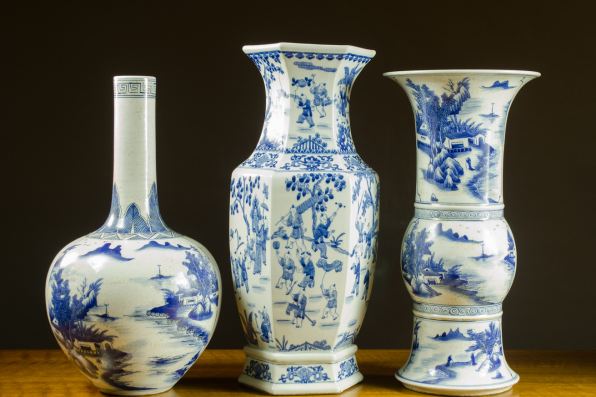
For importers, the latest Section 301 exemptions for HTS Chapter 97 tariffs on art and antiques brought welcome news.
On July 23, 2026, the Office of the United States Trade Representative (USTR) announced new Section 301 tariffs affecting imports from 60 trading partners. At the same time, the agency confirmed that works of art, antiques, and collectors’ items classified under Chapter 97 of the Harmonized Tariff Schedule (HTS) are specifically exempt from these new measures.
For businesses involved in the international art and antiques market, this is a meaningful development. But like many customs updates, the headline tells only part of the story.
A tariff exemption does not eliminate the need for accurate classification, complete documentation, or customs compliance. Understanding how the exemption applies—and being prepared to support it—remains just as important as ever.
What Changed?
The new Section 301 measures were introduced as part of the United States’ continued efforts to address forced labor concerns in global supply chains.
Recognizing the unique nature of the art market, the USTR excluded:
- All products classified under Chapter 97 of the U.S. Harmonized Tariff Schedule, including works of art, collectors’ pieces, and antiques.
- Goods already covered by the existing Informational Materials exemption, including books and certain works of art.
The exemption reflects the position advanced by several international art and antiques organizations during the consultation process. They argued that original works of art and genuine antiques are fundamentally different from mass-produced commercial products and generally do not present the same supply chain concerns that the tariffs were designed to address.
For many importers, this provides welcome certainty moving forward.
Why Chapter 97 Matters
Chapter 97 has long occupied a unique place within the Harmonized Tariff Schedule.
It covers categories such as:
- Original works of art.
- Antiques generally more than 100 years old.
- Collectors’ pieces.
- Certain historical and cultural objects.
These products are often one-of-a-kind or produced in limited quantities. Their movement through international trade differs significantly from that of manufactured consumer goods, which is one reason industry organizations advocated for their exclusion from the new tariff measures.
However, qualifying for Chapter 97 treatment depends on the merchandise itself—not simply how the shipment is described.
The Exemption Does Not Remove Compliance
One of the biggest misconceptions surrounding tariff exemptions is that they automatically simplify the customs process.
In reality, importers must still demonstrate that their merchandise qualifies for the claimed tariff treatment.
That means Customs and Border Protection may still evaluate:
- Whether the product is correctly classified under Chapter 97.
- Whether supporting documentation substantiates the classification.
- Whether the declared age or nature of an antique can be verified.
- Whether all customs entry information is complete and accurate.
Industry groups have also noted that some practical questions remain, including what documentation CBP may request to confirm Chapter 97 eligibility and how previously established Section 301 duties affecting certain Chinese-origin artwork and antiques may interact with the new exemption.
As implementation continues, importers should monitor official guidance and review individual shipments carefully.
Good Documentation Keeps Freight Moving
Successful customs clearance often depends on preparation long before a shipment arrives.
For artwork and antiques, that preparation may include:
- Detailed commercial invoices.
- Accurate product descriptions.
- Documentation supporting age or historical significance.
- Country-of-origin information.
- Supporting provenance or authenticity records when appropriate.
- Correct HTS classifications prepared before entry.
Clear documentation helps customs officials understand exactly what is being imported and reduces the likelihood of unnecessary questions or delays.
A tariff exemption is not automatic. It has to be supported by accurate classification and complete documentation. The more clearly a shipment tells its story, the more smoothly it moves through customs.
Experience Matters When Regulations Change
Every customs update creates new questions.
While the exemption for Chapter 97 goods is positive news for the international art and antiques community, importers should not assume that every shipment will qualify without review.
Classification, documentation, and customs compliance remain essential parts of the import process.
At Everglory Logistics, we help clients coordinate international transportation and customs brokerage for a wide range of specialized cargo, including artwork, antiques, and collectibles. Our team works closely with importers to prepare accurate documentation, support customs filings, and keep shipments moving efficiently through an evolving regulatory environment.
If your business imports artwork or antiques, now is a good time to review your classifications, documentation, and customs procedures before your next shipment arrives.